
When a Tractor Cab Makes Sense in Northwest Winters
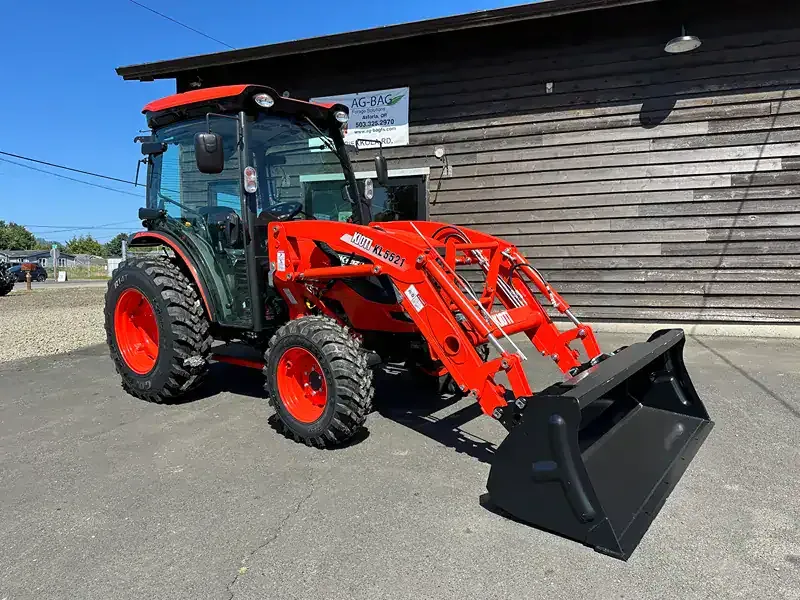
I spent a lot of years on a ROPS tractor with a canopy, soaked from head to toe. Now I have a cab and can feed my cattle in sneakers if I want to. If you work outside anywhere from the coast up through the foothills, you know our winters aren’t cute—they’re cold rain, sideways wind, short daylight, and slick ground. That changes the cab vs. ROPS math considerably.
The decision isn’t just comfort vs. budget. It’s about what work you’re doing and whether you’ll do it effectively when it’s 38°F with wind-driven rain at 6am. Capability matters first—never compromise on weight or horsepower just to get a cab. But comfort affects whether you finish the job or quit early because you’re miserable.
Here’s what matters when you’re deciding between a cab and open station for Pacific Northwest winters.
What’s Your Winter Work Look Like?
Weekend Property Maintenance
If you’re mowing pasture, moving gravel occasionally, or doing weekend projects when the weather’s decent, you’re not out in storms by necessity. ROPS is fine. Save the $7,000-$10,000 that a cab costs and put it toward better implements or a larger base tractor with more capability.
A good canopy helps a little. Grundéns and a hat work for an hour here and there. You’re choosing when to work, so you can wait for breaks in the weather.
Daily Livestock Chores
If you have animals, winter work isn’t optional. Animals eat every day regardless of weather. You’re moving hay bales with the loader, feeding before or after work, often in the dark because daylight’s short.
This is where a cab makes you effective, not just comfortable. Dark plus cold plus wet equals limited visibility, numbed hands, and rushing through tasks. After an hour or two of that, you’re making mistakes with the loader or the 3-point because you’re focused on getting back inside.
If you’re doing 1-2 hours daily from November through March, a cab pays for itself in getting the job done right. You can see what you’re doing. Your hands work. You’re not soaking wet and shivering, so you take the time to do it safely. Clear glass plus steady hands means fewer loader and 3-point mistakes in hour two when most incidents happen.
Storm Cleanup and Snow Work
Higher elevations see snow. Everyone sees downed trees after windstorms blocking driveways. This is time-sensitive work in the worst possible conditions.
A cab means you can see—defrost works, wipers clear the glass, and your lights shine through clean windshield instead of rain-spattered safety glasses. You’re making decisions about where to push snow or how to approach a hung-up tree when you can assess the situation clearly.
ROPS plus sideways rain equals misery and mistakes. You’re making judgment calls about heavy, dangerous work while you’re cold, wet, and your glasses are fogged up.
What a Cab Gets You
Visibility
Defrost and wipers beat fogged glasses every single time. LED lights behind clean glass versus rain-spattered lenses. You can see the loader bucket, the 3-point hitch, and backing up to a trailer without constantly wiping your face or readjusting.
In our humidity, glasses fog constantly on an open station. You’re wiping them every few minutes. A cab with defrost running keeps the glass clear so you can focus on the work instead of your vision.
You Stay Effective Longer
When you’re cold, you rush. Rushing with a loader or 3-point leads to bent implements, damaged gates, or worse. Hour two in a cab versus hour two soaking wet is the difference between finishing the job properly and quitting early because you can’t feel your hands.
You also never sit on a wet seat in a cab. Sounds minor until you’ve spent a winter climbing onto a soaked tractor seat multiple times a day.
Multiple Operators
Family members or employees will use a cab tractor. An open station in winter becomes “I’ll do it later when it’s not raining”—which around here means never.
A cab tractor gets used. The work gets done. A cab paired with hydrostatic transmission lowers the learning curve considerably for family or crew—easier to teach, less intimidating in bad weather.
Hearing and Air Quality
A cab is quiet enough to listen to music or podcasts without destroying your hearing. Over 20 years of tractor work, that matters. You’re not shouting over engine noise or wearing hearing protection that makes communication impossible.
The sealed air also beats breathing moldy hay dust, compost steam, and whatever else gets kicked up during winter feeding and mucking. Replace the cab filter before feeding season starts and you’ll notice the difference. This isn’t just comfort—it’s your lungs and hearing over decades of farm work.
Components Last Longer
Controls, switches, and electrical components aren’t getting weathered constantly. You’re replacing fewer parts over the tractor’s life because rain isn’t beating on everything season after season.
Upholstery doesn’t mildew. Gauges stay readable. The whole machine ages better when it’s not taking direct weather abuse every time you use it.
Resale
Cabs typically sell faster in rainy regions because more buyers want them. Something to consider if you think you might upgrade or change equipment down the road.
What a Cab Costs
Cab Premium: $7k-$10k Depending on Model
Often more, because cab models are usually higher spec by default—you’re not just adding the cab, you’re stepping up to a premium model. That’s real money that could go toward a larger tractor, better implements, or staying in budget.
Cab Height: Measure Before You Buy
Cabs add 2-3 feet of height and they don’t fold. If your barn door is 7 feet and the cab makes it 8, you’ve got a problem. You’ll either figure out a solution or regret buying it.
Measure to the lowest obstruction—barn doors, tree limbs on access routes, carports, container doors, anywhere you need the tractor to fit. ROPS fold, cabs don’t.
Brush and Timber Work
Branches meet glass. A cracked or broken cab door costs over $1,000 by the time you pay freight to get it here. If you’re constantly pushing through brush or clearing timber, that’s a real consideration.
Open stations take hits better and cost far less to fix when something does bend. A damaged ROPS tube gets straightened or replaced for a fraction of what cab glass costs.
More to Maintain
HVAC, more seals, door mechanisms, more glass to keep clean, additional electrical components. A cab isn’t complicated, but it’s more things that need attention compared to an open platform.
Where ROPS Makes More Sense
When Budget Means Choosing Between Size and Cab
Never compromise on weight or horsepower just to get a cab. A 45-horsepower ROPS tractor with the mass and capability you need beats a 35-horsepower cab tractor that’s too light for your loader work.
The wrong-sized tractor in a cab is still the wrong tractor. You’ll be safer and more productive with the right capability, even if you’re getting wet.
Clearance Issues
Foldable ROPS goes places a cab won’t. If clearance is your limiting factor—old barns, container storage, dense timber—the cab doesn’t matter if you can’t get the tractor where it needs to work.
Light Use
If you’re on the tractor 30 minutes a week, Grundéns and a decent canopy work fine. Save the money. The discomfort isn’t frequent enough or long enough to justify the cost.
Woods Work
If you’re clearing land, maintaining trails, or working in heavy brush regularly, an open station takes the abuse better and costs less when something does get damaged. You’re not wincing every time a branch scrapes past.
Winter Setup Regardless of Cab or ROPS
Tires
R14 hybrids are the best bet for most properties—good flotation on wet ground, decent traction, less turf damage than ag tires. If traction matters more than lawn preservation, R1 ag tires bite better but they’ll tear up grass and wear faster on gravel.
Ballast
Loaded rear tires plus removable ballast keeps you stable during loader work. Most tractors need ballast to safely approach their rated lift capacity—the back end gets light fast when you’re lifting a loaded pallet or round bale. Don’t skip this.
Chains for Ice
We don’t get a lot of ice, but when we do, rear chains make the difference between moving safely and sliding. Keep speeds low and don’t run chains on dry pavement—they’ll tear things up.
Lighting
Good LED work lights front and rear aren’t optional. Half your winter work happens in the dark. Cheap lights create glare without illuminating much. Invest in quality LEDs with clean wiring—you want to see implements and surroundings clearly, not just have bright lights pointed everywhere.
Humidity, Fogging, and Sideways Rain
Condensation Management
Our humidity is brutal. Even with a cab, you’ll deal with condensation if you don’t manage it. Run the AC even in winter—it dries the air and keeps the glass clear. Rain-X anti-fog on the inside of the windshield helps considerably.
If you climb in soaking wet, it’s going to fog no matter what you do. Sometimes you can’t help that, but keeping a towel in the cab to wipe down before you sit helps.
Canopies Don’t Solve It
If you think a canopy solves winter rain around here, you haven’t worked through a November storm. The rain comes sideways. A canopy might keep your head dry in a drizzle, but it does almost nothing when the wind’s up.
It’s cab or commit to being wet. There’s no middle ground that works in our weather.
Quick Checklist Before You Buy
Measure your lowest clearance point — barn doors, carport headers, tree limbs on access routes. Compare to published cab height. ROPS fold, cabs don’t.
Know your heaviest winter load — what’s the actual weight of the pallets, bales, or material you’re moving? Don’t guess. This determines if you need more tractor, not more comfort.
Consider your storage — indoor or outdoor parking affects condensation and maintenance. Outdoor storage makes a cab more valuable for protecting components.
Plan your tire setup — R14 hybrids for mixed ground, R1 ag for maximum traction. Proper inflation matters in mud and on slopes.
Plan your ballast — liquid-filled rears plus removable weight. You need this for safe loader work regardless of cab choice. Add chains if you’re working steep or icy ground.
What I Tell People
My Setup
I use the cab tractor for everything I can—year-round comfort, quiet operation, and I even upgraded the stereo because if I’m spending 400-500 hours a year on it, I’m going to be comfortable. The ROPS tractor mostly sits with implements attached for quick barn chores or accessing really tight spots.
I’m a tractor snob and I know it. I’m willing to trade money for efficiency and time—getting more done in less time and being comfortable while I’m working. That math works for me, but it’s not right for everyone.
What I See
People don’t regret buying a cab—they regret waiting so long to get one. Once they upgrade, they wonder what took them so long.
But they regret buying too small just to afford the cab. An undersized tractor makes every job harder, takes longer, and wears out faster because you’re running it at maximum capacity constantly.
The Rule
If you’re working in weather regularly—livestock, snow removal, storm cleanup—a cab earns its keep. The effectiveness and safety benefits add up quickly when you’re out there multiple times a week in winter conditions.
If budget is tight, a bigger ROPS tractor beats a smaller cab tractor every time. Capability first, comfort second.
But don’t underestimate comfort’s effect on doing the work. When you’re miserable, you cut corners or put off tasks. A cab can be the difference between maintaining your property well and letting things slide until spring.
Ready to figure out the right setup?
Contact us, and we’ll help you match the tractor to your work—not what sounds nice, but what handles the jobs you need to do in the conditions we actually have here.
FAQ
Do cabs make tractors top-heavy in winter?
A cab adds weight up high, so ballast matters more on side hills. Properly ballasted, both cab and ROPS tractors work safely. Chains and steady speeds are your friends when it ices up.
Will a cab fog constantly in PNW humidity?
If you start it warm and use the defrost, you’ll stay clear. Keep the cab filter fresh and crack a window briefly if you track in a lot of moisture. It’s manageable.
Is a canopy enough for winter rain here?
Not when the wind’s up. Canopies help in drizzle but do almost nothing in sideways rain. You’re getting wet either way on a ROPS in real weather.
Cab vs bigger ROPS—what’s safer for loader work?
Bigger ROPS with proper ballast. Weight and capacity matter more than staying dry. If the cab forces you into a lighter tractor, skip it and get the capability you need.
Written by Jeremy Linder
I grew up on a working farm with parents who manufactured machinery. I've been selling tractors and implements since 2014, and I run my own 20 acres plus help manage our family's 200-acre beef operation. Everything I recommend is something I'd put on my own property.
Get equipment tips in your inbox
No spam. Unsubscribe anytime.
You're in!
Thanks for subscribing. Talk soon.