
How to Put Equipment Away So It's Ready When You Need It
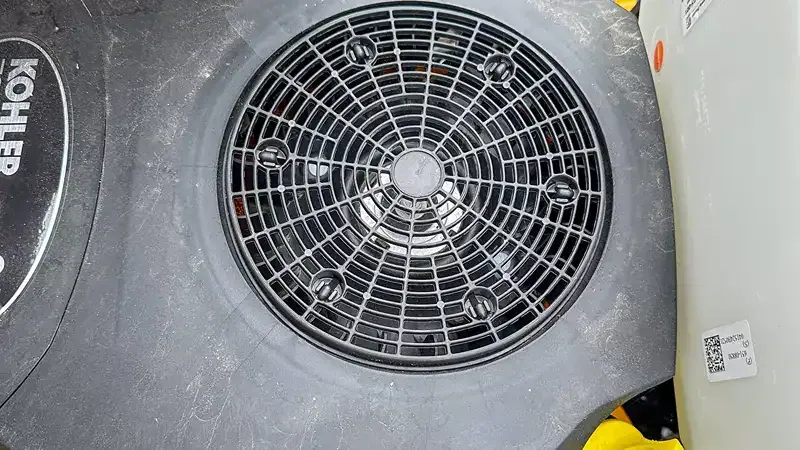
Most equipment owners aren’t trying to neglect their machines—they just don’t realize what’s happening inside them all winter. We’ve been servicing equipment for over 20 years, and here’s what surprises people: more damage happens to your tractor or mower sitting in the barn from November to March than during the entire mowing season.
The biggest threat? Ethanol fuel absorbing moisture from our damp winters and turning into a carburetor-destroying mess. Fuel issues cause more non-running equipment in spring than everything else combined. What should be a simple startup becomes a carburetor replacement—factory carbs run $50 to $400 depending on your equipment.
Then there’s mower decks. All that grass packed underneath holds moisture like a sponge. Our damp Pacific Northwest winters turn that into rust that eats through deck metal. We’ve seen deck shells rot through in five years—shells that should’ve lasted fifteen with basic cleaning. Replacement deck shells run $600-$800 when they’re even available for older equipment.
And tractors? Nobody thinks about coolant until that one week of freezing weather we’re guaranteed to get every winter. Coolant that’s lost its freeze protection can crack an engine block. That’s not a repair—that’s an engine replacement.
The thing is, none of this has to happen. Proper winterization isn’t complicated or expensive—most people just don’t know what actually matters. Prevention saves thousands in repairs and adds years to your equipment’s life.
Universal Winterization Steps – What Actually Matters and Why
The Fuel System Problem Nobody Talks About
Ethanol fuel destroys more equipment than anything else in Pacific Northwest winters. Here’s what’s actually happening: ethanol absorbs water from the air—up to 50 times more than regular gas. In our damp winters, that fuel in your tank is literally pulling moisture out of the atmosphere.
By spring, you don’t have gas anymore—you have a corrosive mixture that eats aluminum carburetors from the inside out. This isn’t about “hard starting”—carburetors corrode so badly they need complete replacement. Factory carburetors range from $50 for small engines up to $400 for larger equipment, and that’s if they’re still available for your model.
Your two options: Run the tank completely dry—and I mean bone dry. Run it until it stops, then run it again with the choke on until there’s nothing left. Or, fill the tank completely full with fresh fuel and quality stabilizer (not the cheap stuff), then run it for 10 minutes to circulate through the entire system. A full tank has less air space for moisture to condense.
For diesel tractors, it’s different but just as critical. Diesel fuel grows algae in the presence of water, and when it gets cold enough, it turns to gel. A full tank with anti-gel additive isn’t optional—it’s the difference between starting in February and calling for service.
Why Oil Changes Can’t Wait Until Spring
Here’s what most people don’t know: used oil is acidic. Those combustion byproducts and contaminants in old oil are literally etching your engine’s internals all winter long—bearing surfaces, cylinder walls, the expensive stuff.
Fresh oil before storage protects every metal surface inside that engine for the next four months. And if you’re in an area where temperatures regularly drop below freezing, switching to a winter-grade oil prevents thick oil from scoring bearings on cold starts.
This takes 30 minutes and about $30 in oil for a small engine. Skip it, and you’re looking at shortened engine life and potential catastrophic failure down the road.
Battery Reality in the Pacific Northwest
A battery loses 35% of its power at 32°F. That marginal battery that started fine in October? It’s dead by February. But here’s the real problem—sulfation. When a battery sits partially discharged, lead sulfate crystals form on the plates. These crystals are permanent damage.
A battery maintainer (not a charger—there’s a difference) keeps a tiny current flowing that prevents sulfation. Without it, you’re replacing batteries every other year instead of getting 5-6 years of life.
For equipment you can’t plug in, at minimum discoect the negative cable. A coected battery will discharge even with everything off, and once it drops below 12.4 volts, sulfation starts.
Why Clean Equipment Matters More Than You Think
That dirt and grass packed on your equipment isn’t just ugly—it’s destructive. Dirt holds moisture against metal like a wet towel. In our damp winters, that creates perfect conditions for rust and corrosion. Loader arms can rust through at pivot points because nobody cleaned out the packed dirt.
But here’s what really gets expensive: grass packed under mower decks. That green concrete underneath is acidic. Grass clippings have a pH around 6.0-6.5 when fresh, but as they decompose, they release organic acids. Pack that against steel all winter in our moisture, and you get holes rusted through the deck. Replacement deck shells cost $600-$800 when available—and for older equipment, they often aren’t available at all.
Cleaning isn’t just hosing it off. Scrape the deck with a putty knife, get into the corners where debris packs. Hit the cooling fins on air-cooled engines—clogged fins cause overheating and premature engine failure. Clean the battery terminals—corrosion creates resistance that kills charging systems.
The Grease Gun Saves Thousands
Here’s something most people never think about: every grease fitting on your equipment is an entry point for water. When you pump in fresh grease, you’re pushing out moisture, dirt, and old contaminated grease. Skip this, and water sits in those joints all winter, rusting bushings and pins from the inside out.
Loader pins wear completely through, mower deck spindles seize solid, three-point hitch arms won’t move—all from lack of grease. A grease gun and 15 minutes prevents expensive repairs down the line.
Don’t just hit the obvious spots. Check your owner’s manual—there are grease points you can’t see without looking. And use quality waterproof grease, not whatever’s cheapest. In our wet climate, regular grease washes out.
The Mouse Problem Nobody Expects
Every winter, mice turn equipment into condos. They chew wiring, build nests in air filters, and leave droppings that corrode everything. Entire electrical systems can be destroyed by rodent damage.
Steel wool in the exhaust pipe and air intake—write yourself a note to remove it in spring. Place dryer sheets or cotton balls with peppermint oil in the engine compartment and cab. Some people swear by Irish Spring soap bars. Whatever you use, check monthly—mice are persistent.
Block heater cords are mouse magnets. They’ll chew through cords just because they can. If you use a block heater, inspect that cord before plugging in or you might get a surprise.
Equipment-Specific Critical Points
Compact Tractors – The Coolant Reality
That temperature gauge on your dash? By the time it shows overheating, damage is done. Coolant doesn’t just prevent freezing—it prevents corrosion, lubricates water pumps, and transfers heat. Old coolant turns acidic and eats aluminum parts from the inside.
Test your coolant with a refractometer or test strips—not just for freeze point but for pH. We’re guaranteed a week below freezing every winter here. If your coolant tests above 32°F freeze protection, you’re gambling with a cracked block. That’s not a repair—that’s an engine replacement.
Don’t just top off with water all summer then wonder why it freezes. A proper 50/50 mix protects to -34°F. And change it every four years regardless—the corrosion inhibitors wear out even if the freeze protection seems fine.
Check hydraulic fluid level and color. Milky hydraulic fluid means water contamination—run that through winter and you’ll be replacing pumps come spring.
Lawn Tractors & Zero Turns – Deck and Drive System
Your mower deck takes more abuse than any other part of the machine. Those blades spiing at 18,000 feet per minute throw everything against the deck underside. By fall, you’ve got a quarter-inch of packed grass that’s slowly eating through the metal.
Wire brush the deck, then coat it with fluid film or similar protectant. Some people use cooking spray—anything’s better than bare metal. Check blade condition—dull blades tear grass instead of cutting, creating entry points for disease. Sharpeow, not when grass is growing in spring.
Belt tension matters more than you think. A loose deck belt doesn’t just slip—it generates heat that glazes the belt and wears pulleys. Proper tension: the belt should deflect about 1/2 inch with moderate thumb pressure.
Level that deck now. An unlevel deck scalps on one side and leaves strips on the other. It takes 10 minutes with the right tools, saves your lawn, and prevents premature blade and spindle wear.
UTVs – More Than Just Another Vehicle
UTVs take abuse that would destroy a truck—mud, water crossings, constant jarring. But they’re built to handle it if maintained properly. The problem? Most people treat them like ATVs that don’t need service.
That suspension you never think about? Every pivot point has bushings that need grease. A-arms can seize solid, requiring complete replacement. Thirty minutes with a grease gun prevents this. Hit every fitting—ball joints, tie rod ends, wheel bearings if they have zerks. Use marine-grade grease here—regular grease washes out the first puddle you hit.
CVT belts are expensive. Heat kills them faster than anything. Before storage, blow out the CVT housing with compressed air. All that belt dust holds moisture and turns into grinding paste. Check the belt for cracks, glazing, or hour-glassing. Replace it now when you can wait for parts, not when you’re stuck in the back forty.
For long-term storage (over 3 months), fogging the engine matters. Pull the spark plug, spray fogging oil into the cylinder, turn the engine over a few times by hand. This coats everything with protective oil. Skip this and cylinder walls rust, rings stick, and you’re looking at a rebuild.
Small Engines and Handhelds – The Forgotten Equipment
Your generator, pressure washer, log splitter—the stuff you forget about until you need it. These suffer the worst because they sit the longest. That generator you bought for power outages? When the power actually goes out isn’t when you want to discover the carburetor is shot.
Four-stroke small engines follow the same rules as mowers—fresh oil, stabilized fuel or run dry, clean air filter. But here’s what people miss: exercise them monthly. Start that generator and run it under load for 20 minutes every month. Carburetors gum up from sitting, not from use.
Two-stroke equipment is different. That mixed fuel goes bad faster than straight gas. Even stabilized, don’t trust it past 90 days. For string trimmers, blowers, and chainsaws, run them completely dry. Not just until they stall—pull the starter with the choke on until there’s absolutely nothing left firing.
The ethanol-free premixed fuel (like Echo Red Armor) costs more but it’s worth it for storage. No ethanol means no water absorption. Ten-year-old chainsaws can run perfectly on premix while 2-year-old saws on pump gas need carb replacements.
Why Professional Winter Service Makes Sense
Here’s what happens when you bring equipment in for winter service versus trying to DIY: Technicians have seen hundreds of machines. They know what fails on your specific model. They catch the loose bolt that’s about to drop into the mower deck. They spot the mouse nest starting in the air filter housing. They notice the hydraulic leak that’s just a staiow but will be a puddle by spring.
Professional service isn’t just changing oil and filters. It’s adjusting valves that have loosened, setting deck heights that have shifted, replacing marginal belts before they fail, catching coolant that’s lost its protection. Technicians have the tools to properly test battery charging systems, not just check if it starts. They can tell if that rough idle is a dirty carburetor or a valve adjustment issue.
Factory training matters. Every brand has quirks. Certain models have specific grease points that get missed. Some tractors need particular attention to certain wear items. That knowledge comes from seeing these patterns every day.
Our Winter Service Program – Built From Experience
After 20+ years of fixing spring disasters, we designed our winter service around what actually prevents problems. This isn’t a quick oil change and see you later—it’s comprehensive preparation that covers everything we’ve mentioned so far.
What We Actually Do
Complete fluid service with quality products (not bulk oil from a drum). Genuine OEM filters, not aftermarket that might fit. Fuel system treatment or complete draining, depending on equipment. Battery testing with actual load testers, not just voltage checks. Blade sharpening with proper balancing (unbalanced blades destroy spindle bearings). Complete inspection with written report of what needs attention. Adjustments to cables, belts, and linkages that have stretched. Cleaning that actually removes corrosion-causing debris. Test run under load to verify everything operates correctly.
The Free Pickup and Delivery Difference
We pick up your equipment, service it properly in our shop with the right tools, and bring it back ready for spring—all within our 15-mile service radius. No loading trailers, no fighting traffic, no losing a Saturday.
Walk-behind mowers and handheld equipment excluded—these are easy enough to drop off and don’t justify the truck roll.
The window for winter service is October through January. After that, we’re into the spring rush. We’re already booking into November, and December fills fast. Regular service customers get priority—we take care of the people who take care of their equipment.
The Bottom Line on Winter Service
Your equipment is either getting properly winterized or it’s slowly destroying itself. There’s no neutral ground. Every day it sits with old oil, bad fuel, and trapped moisture is another day closer to expensive repairs.
The same pattern repeats every spring—people who wait for problems instead of preventing them end up spending far more on repairs that could have been prevented. Worse, they’re waiting weeks for repairs while everyone else is mowing.
The math is simple: Proper winter service adds years to equipment life and prevents most common failures. Skip it, and you’re not saving money—you’re deferring bigger expenses to the worst possible time.
Ready to Get Your Equipment Properly Winterized?
Call us at 503-325-2970 or schedule your winter service online. Ask about our free pickup and delivery service—it’s the easiest equipment maintenance you’ll ever schedule.
Don’t wait until everyone figures this out. By January, we’re booked. By March, you’re either ready to work or you’re in line behind everyone else who wished they’d called earlier.
Frequently Asked Questions
When should I winterize my equipment in the Pacific Northwest?
Now through January is the winter service window. We’re just starting to book for this season, but December and January fill up fast. The ideal time is before the real wet weather sets in—typically by mid-November.
What’s included in your winter service?
Complete fluid service, fuel system treatment, battery testing and maintenance, and all necessary adjustments. For mowers, we sharpen and balance blades. For tractors, we check hydraulics and coolant. Every piece of equipment gets a thorough inspection and test run to verify proper operation. We service all equipment types—tractors, mowers, UTVs, generators, the works.
Can I just let equipment sit without winterizing in our mild climate?
Mild winters are actually worse for equipment than harsh ones. Our damp conditions create perfect rust conditions, and we’re guaranteed at least one freeze that can crack blocks with bad coolant. The moisture in our air is what makes ethanol fuel so destructive here.
Is fuel stabilizer enough, or should I drain tanks completely?
Depends on the equipment and how long it’s sitting. For most small engines, running completely dry is safest. For larger equipment used occasionally through winter, stabilizer in a full tank works. The key is doing it right—cheap stabilizer or partial tanks don’t cut it.
Can I drop off equipment instead of using pickup service?
Absolutely. Dropping off yourself might get you scheduled sooner since we can fit drop-offs between pickup routes. Free pickup and delivery is available within 15 miles round trip for tractors, mowers, and UTVs.
Do you service all brands or just what you sell?
We service all major brands—John Deere, Kubota, Cub Cadet, Hustler, you name it. As long as parts are readily available, we can service it. Our technicians are factory-trained on multiple brands, not just Kioti and LS.
How much does winter service typically cost?
Pricing varies significantly depending on your equipment’s brand and engine model. A push mower service is obviously less than a diesel tractor service. We provide detailed estimates before scheduling any work—no surprises.
What happens if I’ve already let equipment sit since last spring?
It’s not too late, though you might need more than basic winter service. We’ll assess what’s needed and give you options. Better to deal with issues now than in March when everyone needs repairs at once.
Do you service commercial equipment too?
Yes, we handle commercial equipment regularly. In fact, commercial operators usually book first because they know what March looks like when equipment isn’t ready. We can work with your maintenance schedules and fleet needs.
Written by Jeremy Linder
I grew up on a working farm with parents who manufactured machinery. I've been selling tractors and implements since 2014, and I run my own 20 acres plus help manage our family's 200-acre beef operation. Everything I recommend is something I'd put on my own property.
Get equipment tips in your inbox
No spam. Unsubscribe anytime.
You're in!
Thanks for subscribing. Talk soon.